
















Preconstruction software is a digital platform that helps construction estimating professionals estimate costs, manage project data, and make informed decisions before breaking ground. It centralizes budgeting, takeoff, bid management, and collaboration tools in one unified system, enabling teams to produce accurate estimates faster while reducing risk and improving project outcomes.
Key Benefits of Preconstruction Software
- Cost Accuracy – Reduce estimating errors and budget overruns with data-driven pricing
- Enhanced Collaboration – Enable real-time teamwork across offices and project stakeholders
- Risk Reduction – Identify potential issues early when changes are least expensive
- Faster Bidding – Accelerate estimate turnaround to respond to more opportunities
- Data Visibility – Track historical costs and performance to inform future decisions
What Does Preconstruction Software Do?
Preconstruction software transforms how construction teams approach the critical planning phase before construction begins. Rather than relying on disconnected spreadsheets, paper takeoffs, and manual processes, modern preconstruction platforms integrate every aspect of early project planning into a centralized system.
Estimating and Cost Management
At its core, preconstruction software helps teams develop accurate cost estimates. Estimators build detailed project budgets by assembling costs for materials, labor, equipment, and subcontractors. The software stores historical cost data, vendor pricing, and assembly libraries that estimators can leverage across projects, ensuring consistency and reducing the time spent recreating estimates from scratch.
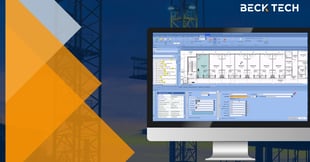
Advanced platforms like DESTINI Estimator enable conceptual estimating for early project phases, detailed estimating for bid submissions, and value engineering analysis to identify cost-saving alternatives. The system automatically calculates totals, applies markups and contingencies, and generates professional bid packages ready for client presentation.
Quantity Takeoff
Preconstruction software streamlines the process of measuring and quantifying materials from project drawings. Digital takeoff tools replace manual methods like paper planimeters and highlighters, allowing estimators to work directly from PDF or CAD drawings.
Estimators can measure linear footage, count items, calculate areas and volumes, and organize quantities by trade or building system. The software links these quantities directly to cost databases, ensuring that when material counts are updated, estimates automatically reflect the changes. This integration eliminates the double-entry errors that plague manual workflows.
Database and Assembly Management
Successful estimating requires access to reliable cost data. Preconstruction software maintains centralized databases containing:
- Material unit costs from suppliers and historical projects
- Labor productivity rates specific to your crews and market
- Equipment costs and rental rates
- Subcontractor pricing and scope definitions
- Pre-built assemblies that combine multiple cost components
These databases become company-wide knowledge repositories. When a senior estimator captures the exact material list and labor hours for installing a particular mechanical system, that assembly becomes available to junior estimators on future projects. Knowledge transfers from individuals to the organization.
Bid Management & Collaboration
Preconstruction involves coordination with dozens of subcontractors, suppliers, and internal team members. Preconstruction software provides tools to manage this complexity:
- Invite subcontractors to bid on specific scopes
- Track bid submissions and compare pricing
- Manage addenda and document distribution
- Collaborate in real-time with team members across locations
- Maintain audit trails of who changed what and when
When multiple estimators work on different sections of a large estimate, the software ensures everyone accesses the current version. No more emailing spreadsheets back and forth or wondering which file contains the latest updates.
Reporting and Analysis
Once estimates are complete, preconstruction software generates the outputs stakeholders need to make decisions:
- Detailed cost breakdowns by system, phase, or trade
- Budget vs. actual comparisons for ongoing cost tracking
- Charts and visualizations that communicate cost drivers
- Custom reports formatted for client presentations
- Historical cost analysis showing trends across projects
Leaders can analyze win rates, identify which project types are most profitable, and understand where estimates consistently run over or under actual costs. This intelligence improves both business strategy and estimating accuracy over time.
Who Uses Preconstruction Software?
Preconstruction software serves a diverse range of construction professionals, each leveraging the platform for different aspects of project planning.
General Contractors &Construction Managers
GCs and CMs use preconstruction software as their primary estimating platform. Teams develop budgets for owner negotiations, create competitive bids for lump-sum work, and perform value engineering to help clients maximize project value within budget constraints. The software allows them to respond quickly to bid opportunities while maintaining accuracy and consistency across estimates.
Developers & Owners
Forward-thinking developers use preconstruction software internally to validate budgets presented by contractors. By maintaining their own estimating capability, they can challenge assumptions, identify value engineering opportunities, and make informed decisions about project feasibility before committing capital. This is particularly common in multifamily development, where repeatable building programs benefit from detailed cost modeling.
Design-Build Firms
Design-build delivery requires close integration between design and cost. Preconstruction software enables design-build teams to evaluate cost implications as designs evolve, ensuring projects stay within budget through the design process rather than discovering cost overruns after documents are complete. Real-time cost feedback accelerates the design process and improves outcomes.
Estimators & Preconstruction Managers
Individual estimating professionals, regardless of company type, use preconstruction software as their daily workspace. Whether they're measuring quantities from drawings, pricing out assemblies, or coordinating with subcontractors, the software provides the tools they need to work efficiently and accurately. For these professionals, software capability directly impacts job performance and career advancement.
Preconstruction Software vs Project Management Software
Many construction professionals wonder whether they need separate preconstruction and project management platforms or if one system can handle both. Understanding the distinction helps firms build appropriate technology stacks.
Different Primary Functions
Preconstruction software focuses on the planning phase before construction begins. Its core function is developing accurate cost estimates and helping teams decide whether and how to build a project. The software excels at:
- Cost estimating and budgeting
- Quantity takeoff and material pricing
- Bid development and subcontractor management
- Value engineering and design alternatives
- Historical cost analysis
Project management software focuses on executing work after construction begins. Its core function is coordinating people, schedules, and deliverables to complete projects on time and within budget. The software excels at:
- Schedule development and tracking
- Task assignment and progress monitoring
- Document management and RFI workflows
- Punch list and quality control
- Field-to-office communication
Different Users and Workflows
Estimators and preconstruction teams spend their days in preconstruction software, developing budgets and responding to bid opportunities. They need deep functionality for cost modeling, assembly management, and estimate development.
Project managers, superintendents, and field teams spend their days in project management software, coordinating subcontractors, tracking progress, and solving construction problems. They need tools for scheduling, communication, and issue resolution.
Why Integration Matters
While these are distinct tools serving different phases, they need to share data. The estimate developed during preconstruction becomes the baseline budget tracked during construction. Changes made during construction inform future estimates. Leading firms integrate preconstruction and project management platforms so data flows seamlessly between planning and execution.
Some enterprise platforms attempt to handle both preconstruction and project management in a single system. This can work for smaller firms with simpler needs, but most construction companies find that best-of-breed solutions for each function, properly integrated, deliver better results than all-in-one compromises.
Common Preconstruction Mistakes Without Software
Construction firms that continue using manual methods or basic spreadsheets for preconstruction consistently encounter predictable problems. Understanding these mistakes helps explain why modern preconstruction software delivers such significant value.
Estimating Errors from Spreadsheet Complexity
Excel-based estimating seems simple at first, but estimates quickly become unwieldy spreadsheets with thousands of formulas, complex links between tabs, and custom macros that only one person understands. A single broken formula can cascade through the entire estimate, producing incorrect totals that nobody notices until it's too late.
One misplaced decimal point or accidental cell deletion can mean the difference between a profitable project and a costly mistake. Without systematic validation, these errors hide in spreadsheet complexity until the damage is done. Preconstruction software validates data entry, checks for logical inconsistencies, and prevents common errors through structured workflows.
Version Control Chaos
When teams collaborate on estimates using email attachments, version control becomes a nightmare. Which file contains the latest subcontractor pricing? Did the mechanical estimate get updated after yesterday's meeting? Is the version sent to the client the same one used for project planning?
Multiple versions proliferate across email threads, shared drives, and individual computers. Team members waste time reconciling differences, recreating lost updates, and wondering whether they're working from current information. Preconstruction software eliminates this chaos through centralized data that everyone accesses in real-time.
Lost Institutional Knowledge
When senior estimators keep cost data in personal spreadsheets, that knowledge leaves with them. A longtime employee retires, taking 25 years of pricing intelligence and assembly refinements that existed only in their files. New estimators start from scratch, recreating work that was already perfected.
Preconstruction software captures institutional knowledge in shared databases. When one estimator develops an efficient assembly or negotiates favorable pricing, that information becomes available organization-wide. Companies build knowledge assets that grow more valuable over time rather than evaporating with personnel changes.
Inability to Compare Projects
Without standardized data structures, comparing costs across projects is nearly impossible. One estimator organizes estimates by trade, another by building system, a third by construction phase. Regional offices use completely different spreadsheet templates. When leadership asks, "How does this school compare to our last three schools?" nobody can answer without weeks of manual data manipulation.
Preconstruction software enforces consistent structures. When every estimate uses the same WBS, every assembly follows the same format, and every cost is tagged the same way, comparison becomes trivial. Leadership can instantly analyze which project types are most profitable and how costs are trending over time.
Slow Response to Bid Opportunities
Manual estimating processes are too slow for competitive markets. When responding to an RFP requires days of quantity takeoff, assembly development, and subcontractor coordination, firms can only pursue limited opportunities. Speed-to-bid directly impacts revenue potential.
Preconstruction software accelerates every aspect of estimate development. Digital takeoff is faster than manual measurement. Assembly libraries eliminate repetitive pricing. Automated calculations remove manual arithmetic. Firms using modern platforms can evaluate more opportunities, respond faster, and win more work than competitors using manual methods.
No Audit Trail
When estimates are challenged - by clients questioning budgets, by operations claiming numbers were wrong, or in legal disputes - firms using manual methods struggle to reconstruct what happened. Who changed the contingency percentage? What was included in the original mechanical scope? When did we update steel pricing?
Spreadsheets don't maintain change histories. Email provides partial documentation if you can find the right thread. Preconstruction software logs every change: who made it, when, and what was modified. This audit trail protects firms in disputes and enables continuous improvement by showing where estimates diverged from reality.
Data Entry Duplication
Manual workflows require repeated data entry. Measure quantities in one tool, type them into a spreadsheet, export them to another system, re-enter them into project management software after award. Each handoff introduces error opportunities and wastes valuable time.
Preconstruction software integrates workflows. Quantities measured during takeoff flow automatically to estimates and estimates awarded flow automatically to project budgets. Data enters once and propagates everywhere it's needed, eliminating duplication and reducing errors.
See How DESTINI Estimator Estimator Works
Ready to transform your preconstruction process? DESTINI Estimator delivers the accuracy, speed, and collaboration capabilities leading construction firms rely on to win profitable work.
Experience DESTINI Estimator:
- Schedule a personalized demonstration tailored to your project types
- See how cloud-based deployment enables anywhere access with SOC2 security
- Learn how our comprehensive assembly libraries accelerate estimate development
- Discover integration capabilities with your existing systems