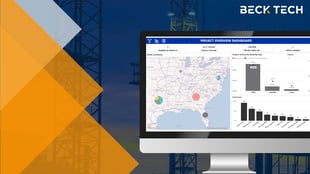

















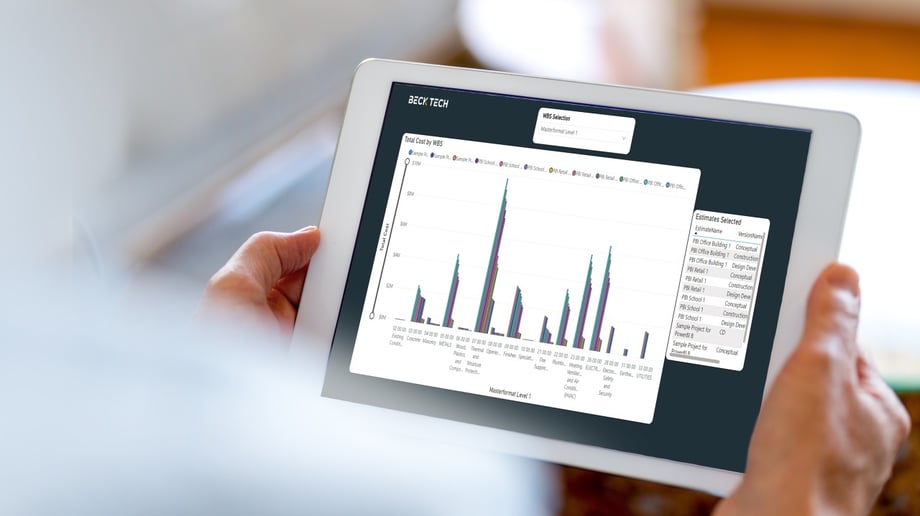
What You Need to Know: Embedded, real-time analytics - delivered directly inside the estimating workflow - give preconstruction teams the decision support they need in the moment, not after the fact. When insight lives where work happens, estimators can benchmark assumptions, explain cost changes, and make decisions that survive all the way to GMP and buyout.
Estimators Aren't Just Pricing Anymore
Modern preconstruction demands more than accurate numbers. Today's estimators are expected to evaluate design options, stress-test assumptions, balance cost against scope and schedule, and support value decisions that resurface months later at GMP and buyout.
That means they don't just need answers - they need context. How does this estimate compare to historical norms? Where is cost concentration forming? Which assumptions carry the most risk? How will early decisions hold up when the market shifts or scope changes?
And critically: they need that insight as they work, not after the estimate is published.
The window for meaningful influence in preconstruction is narrow. Once an estimate is submitted, assumptions harden into commitments. Once a GMP is signed, cost decisions become contractual obligations. Analytics that arrive after these moments have passed can explain what happened - but they can't change it. The opportunity to reduce risk, challenge assumptions, and make better decisions has already closed.
This is the fundamental problem with how most construction firms currently approach analytics in preconstruction: the insight exists, but it arrives too late to matter.
Why Traditional Dashboards Miss the Moment
Most analytics tools live outside the estimating process. They rely on exported data, secondary data models, and lagging snapshots of completed work. They provide visibility - but not decision support.
They answer "What happened?" and "Where are costs trending?" But they struggle with the questions that matter in the moment:
- Does this option align with how we've delivered similar work?
- If this changes at GMP, can I explain why?
- Is this decision viable - or just attractive on paper?
- Are my productivity assumptions consistent with what our crews have actually achieved?
Without being embedded in the estimating system, analytics become commentary. Not guidance.
The delay compounds the problem. An estimator completing a healthcare facility estimate in week three of a four-week bid cycle won't pause to export data, build a comparison in a separate tool, and validate assumptions against historical benchmarks. The deadline pressure is too high. So they rely on experience and judgment - valuable inputs, but incomplete without real-time data validation.
By the time analytics from that estimate surface in a post-bid review or monthly dashboard, the decisions are done. The estimate has been submitted. The project may have been won - or lost - based on assumptions that data could have refined. The insight arrived too late to help.
Embedded, Real-Time Analytics Change the Equation
When Power BI is embedded directly in the preconstruction platform - powered by the same live data model - insight stops being an overlay and becomes part of the work.
Embedded, real-time analytics enable:
- Immediate feedback on cost structure and scope alignment
- Continuous benchmarking against historical and portfolio data
- Visibility into assumptions before they harden into commitments
- Faster iteration with confidence, not guesswork
This is insight at the estimator's fingertips - without breaking flow.
Consider what this looks like in practice. An estimator working on a design-assist office project updates their structural steel assemblies after a design revision. Immediately, embedded analytics compare the updated cost per square foot against the last six similar office projects. The current estimate is 11% above historical norms. The estimator can investigate immediately: Is it the tonnage? The connection complexity? The erection productivity assumption? Or is the market genuinely shifting?
That investigation happens during the estimate - not in a post-mortem review two weeks later. The estimator can resolve the question, adjust if appropriate, or document why this project justifiably deviates from historical norms. Either way, the decision is informed and defensible.
DESTINI Estimator delivers this through embedded Power BI that runs on the same data model as quantities, cost libraries, scope, and bids. There's no translation layer, no reinterpretation, and no "analytics version" of the estimate. The numbers an estimator sees in their analytics are exactly the numbers they're working with - because they're the same numbers.
See embedded analytics in DESTINI Estimator →
Insight Without Dependency: Why Openness Matters
In many systems, analytics evolve only when the vendor decides they should. New questions mean waiting on a roadmap, accepting generic metrics, or adapting workflows to predefined reports.
That doesn't work in preconstruction, where every firm estimates differently, risk tolerance varies by market and client, and estimating discipline evolves over time. A firm specializing in healthcare estimates differently than one focused on industrial work. A design-build firm manages risk differently than a hard-bid general contractor. Analytics that can't reflect these differences push teams toward generic insights that don't match how they actually work.
An open, embedded analytics platform shifts control back to the customer - allowing teams to extend out-of-the-box insights, configure dashboards around their estimating practices, and build new analyses as the business evolves. The result isn't just flexibility. It's ownership.
This matters more as organizations mature. Early in adoption, teams benefit most from built-in benchmarks and standard dashboards. As sophistication grows, they develop specific questions that generic analytics can't answer: How do our self-perform costs compare to subcontractor pricing on similar scope? Which estimators produce the most accurate mechanical assumptions? Does our performance vary by owner type or delivery method?
Open architecture makes these questions answerable - without custom development projects, vendor dependencies, or waiting for the next product release.
Out-of-the-Box Is the Starting Point, Not the Ceiling
Prebuilt dashboards accelerate value. Cost trending, historical comparisons, variance tracking, and portfolio views give teams an immediate baseline - insight that's available from day one without configuration or custom development.
But the real power comes next. With access to the same trusted data model, teams can:
- Add analysis tied to self-perform strategies
- Create discipline-specific risk views
- Build custom benchmarks aligned to their own portfolio
- Surface insight that reflects how they buy work and manage scope
- Correlate estimating accuracy with win rate and project profitability
In other words, analytics evolve with the estimator - not ahead of them or behind them.
A mechanical subcontractor might build custom analysis tracking cost per ton by equipment type and installation condition. A general contractor might develop dashboards tracking subcontractor bid coverage by trade, market, and bid date. A construction manager might create views correlating early estimate accuracy with final project outcome. Each of these analyses requires access to the same underlying data model - and the flexibility to structure it around specific business questions.
The alternative is accepting the vendor's analytical framework and hoping it aligns with how your firm thinks about risk, performance, and strategy. For firms treating preconstruction as a competitive differentiator rather than a transactional function, that tradeoff is unacceptable.
One Data Model Means Trusted Insight
When analytics pull from the same model as quantities, cost libraries, scope, and bids, there's no translation layer, no reinterpretation, and no "analytics version" of the estimate. That continuity builds trust - and trust drives adoption.
Estimators are skeptical of analytics that don't match their experience. If a dashboard shows a project as 8% over historical norms but the estimator believes their assumptions are sound, they need to be able to verify the comparison. Is the historical benchmark using the same scope definition? The same productivity assumptions? The same market conditions?
When analytics and estimates share a single data model, these questions have clear answers. The estimator can drill into the historical projects driving the benchmark, examine the assemblies and quantities that composed them, and make an informed judgment about whether the comparison is valid. That transparency builds confidence in the analytics rather than suspicion of them.
It also eliminates a common failure mode: the "analytics version" of the estimate that diverges from what estimators actually produced. When data flows through multiple systems and export/import cycles, small transformations accumulate. The analytics end up representing a slightly different version of reality than what estimators built. Teams stop trusting the dashboards. Adoption collapses.
DESTINI Estimator avoids this failure by design. The data model is singular. What estimators build and what analytics display are the same thing, presented in different views for different purposes.
From Seeing Variance to Explaining It
The most powerful change embedded analytics enables is moving from observing variance to explaining it.
When costs change between design phases, teams shouldn't just see that something changed - they should know why. Which assumptions shifted. Where scope evolved. How quantities or production rates changed. Which decisions survived and which didn't.
This distinction matters most when pressure is highest. At GMP negotiations, owners don't just want to know that costs increased - they want to understand why. A team that can explain the specific scope additions, design developments, and market movements that drove cost change is in a fundamentally different position than one that can only show that the number moved.
That's analytics as discipline reinforcement. The act of maintaining embedded analytics throughout estimate development creates natural documentation of decision history. Every assumption is visible. Every change is traceable. Every variance has a source that can be examined and explained.
This capability also supports continuous improvement. When teams can see not just that estimates varied from actuals, but specifically where and why, they can target database refinements precisely. Not "our concrete estimates run high" - but "our concrete formwork productivity on elevated pours in congested sites runs 15% high because we're applying standard productivity to conditions that consistently underperform." That specificity enables meaningful database improvement rather than blanket adjustments that may or may not address the real issue.
Insight Where Work Happens
The next generation of preconstruction leaders won't ask, "Do we have dashboards?" They'll ask, "When this decision surfaces differently at GMP, can my team explain why?"
The answer to that question depends on whether analytics were present during decision-making or only applied afterward. Post-estimate analytics can describe variance. Embedded, real-time analytics can prevent it - or at minimum, document it with sufficient context that explanation is factual rather than reconstructed.
Platforms that embed real-time insight directly into estimating - and allow teams to shape that insight themselves - do more than inform. They reduce dependency on vendor development cycles, increase estimator confidence through immediate validation, and strengthen decision survivability by maintaining context throughout the project lifecycle.
In preconstruction, early decisions carry millions downstream. Great decisions that don't survive execution aren't great decisions. Embedded, open-platform analytics are how we make sure they do.
Experience insight where work happens:
See how DESTINI Estimator's embedded Power BI delivers real-time benchmarks, variance analysis, and assumption validation directly in the estimating workflow.
Learn More About DESTINI Estimator →
Explore how open architecture enables teams to extend built-in insights and build custom analyses that evolve with their estimating practice.